01
How you're seen
I put the questions people ask to the AI tools they now use, again and again. Then I look at what comes back: whether you're in it, how you're described, and who got quoted instead.
I help organisations be seen, as they really are, by the people they want to reach, and by the AI those people now ask.
See what I found →The people who matter most to them tend to meet them in fragments: a search result, an article, a mention from a friend. And now, increasingly, an AI's answer, built from whatever it can find. Too often the best of an organisation is buried, and the people who needed it most are left to look for help somewhere else.
Case Study
This campaigning organisation helps people in trouble, day in, day out. Ask an AI about them by name and it quotes their pages. Ask who campaigns in this area, without naming anyone, and it puts them forward. But ask the kind of questions someone in difficulty might ask, about the law or their own situation, and they aren't there: not cited once in 137 answers, even on subjects they've published on. To me, that's a travesty.
The knowledge was there, but it was arranged like an archive, while the pages that win those answers are built around the question. I proposed a page for each issue, answering the questions people actually ask, and built working versions. They've now commissioned the build.
“It is extremely insightful, and I can absolutely see the value of what you recommend.”
Three Steps
01
I put the questions people ask to the AI tools they now use, again and again. Then I look at what comes back: whether you're in it, how you're described, and who got quoted instead.
02
I catalogue and read everything you've made, from the publications and the archive to the shared drives and the website, and I talk to the people who lead you. Who you are is usually in there already. It just hasn't been pulled together.
03
I don't stop at a recommendation. I build working versions of what I'd change: the pages, the content, how it's arranged and, where it helps, how it looks. Enough to test the idea, and sometimes enough to keep.
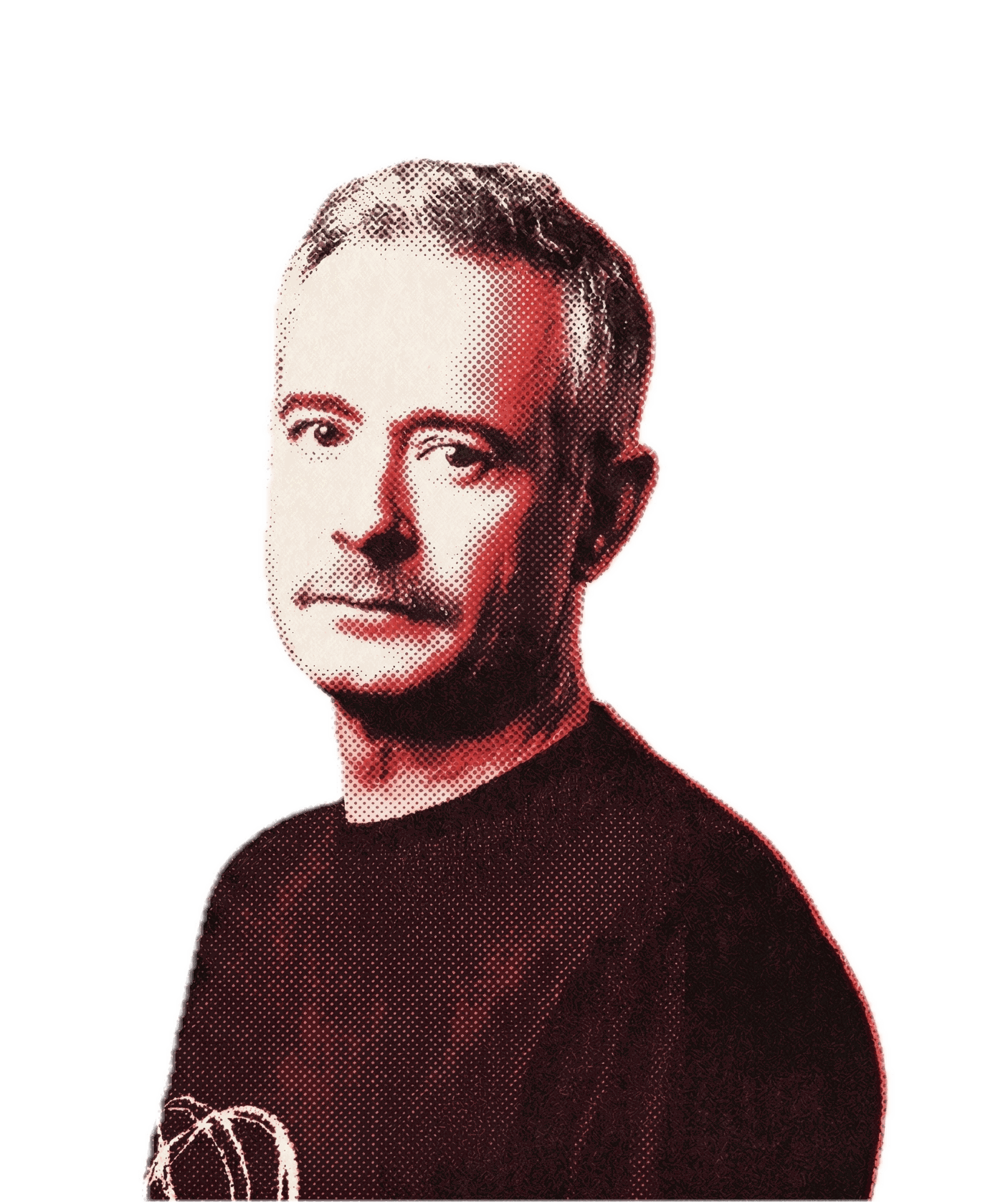
I spent twenty years in public service broadcasting, at the BBC and Channel 4, helping people find what was made for them. Digital radio, then social media, then streaming each changed how they looked. AI is the latest change.
At All 4, I was responsible for editorial strategy. The instinct was to commission more. What grew the service was the archive already there: annual views went from around 400 million to over a billion, and by 2020 the back catalogue drove more than half of them. The programmes had always been there. What changed was how easily people could find them.
It's the same problem I see in organisations now. The good work is usually there already, and people can't get to it. So I read everything an organisation has made, and build the pages that put it within reach, using AI to do the reading at a scale I couldn't manage alone. It's a studio of one, and I do my best work for organisations I believe in.
Get in Touch
Tell me about your organisation, and I'll tell you if I can help.
hello@redslashstudio.comor